Fragile Masculinity, Privilege, and the Pull of Extremism
I often say I do not take political positions in the therapy room.
What I mean is that I do not tell clients what to think or how to vote. But therapy is not neutral. It sits within systems of power, privilege, culture, class, race, gender, sexuality, and ability. The moment we begin to explore identity, we are already engaging with politics.
I am writing this as a man and as a male professional. I am shaped by these systems, and I also question the forms of oppression that can come with them, especially when masculinity is built on dominance, silence, and exclusion.
This reflection focuses mainly on white cisgender men, often from working-class backgrounds. Not always. Many men reflect, adapt, and grow in response to change. But there is a pattern here that I have witnessed both personally and professionally.
I come from a working-class background. I have seen how expectations of what a man should be are formed early. Be strong. Do not show weakness. Provide. Stay in control. Do not be different. These ideas can offer structure, but they can also become rigid.
Fragile masculinity develops when identity is built on conditions. You are a man if you meet certain standards. If those standards shift, identity can begin to destabilise.
When social and economic conditions change, this destabilisation can deepen. Scholars such as Randy Blazak, in White Boys to Terrorist Men, describe how some young men experience gender role stress when traditional markers of masculinity, such as stable work, authority, or social status, feel blocked. Shame grows, and without space to process it, it is often redirected outward into anger.
Everett Lefebvre links this to a longer history of hegemonic masculinity shaped through dominance, racial hierarchy, patriarchy, and the myth of the self-made man. If masculinity is built on superiority, then equality can feel like a loss. If identity depends on power, then shared power can feel like a threat.
This is where extremist ideologies begin to take hold. They do not create the underlying distress. They organise it.
Right-wing narratives frame social change as an attack. Immigrants are taking your jobs. Feminists are taking your women. LGBTQ+ people are destroying the family. The message is clear. You are under threat, and you must defend.
This reframes personal struggle as political injustice. Shame is externalised. Responsibility is displaced. For some men, this offers relief and a sense of belonging.
The history of the skinhead subculture illustrates this tension. Originating in working-class Britain, it later intersected with both far-right politics and queer subcultures. By the mid 1980s, a distinct gay skinhead scene emerged. Gay men adopted a hard, hyper-masculine aesthetic. Boots. Shaved heads. Aggressive style. Author Murray Healy describes this as a negotiation between working-class pride and the appropriation of a style sometimes linked to homophobic and far-right elements.
The life of Nicky Crane exposes the psychological split in extreme form. Publicly, he was a violent right-wing activist. Privately, he was a gay man. He came out shortly before dying of AIDS in 1993. His story reveals what happens when sexuality, shame, and rigid masculinity collide.
In clinical work, these conflicts often emerge through the body. In sex therapy, they are particularly visible. Performance anxiety rooted in proving masculinity. Erectile difficulties are linked to fear of inadequacy. Compulsive sexual behaviour driven by shame cycles. Difficulty tolerating intimacy because vulnerability feels like a loss of status.
When masculinity is fragile, sex becomes proof. Desire becomes competition. Intimacy becomes exposure.
This dynamic also intersects with disability and ableism. Masculinity is often tied to strength, independence, and control. When a man lives with disability, chronic illness, or neurodivergence, these expectations can create additional pressure. The need for support or difference in functioning can be experienced as a threat to identity.
Ableism reinforces this by linking worth to performance and capacity. Men may respond through masking, overcompensation, or withdrawal. For neurodiverse men in particular, long-term masking can lead to exhaustion and disconnection from self.
Across these experiences, a common thread emerges. Fear of not being enough. Fear of exposure. Fear of losing position.
Men who do not enter therapy often seek stabilisation elsewhere. Online communities provide simple explanations. You are not struggling because you are hurt. You are struggling because something was taken from you. Join us. Reclaim your position.
Digital spaces accelerate this process. Anger is validated. Complex social change is reduced to blame. Brotherhood replaces reflection.
Therapy takes a different path.
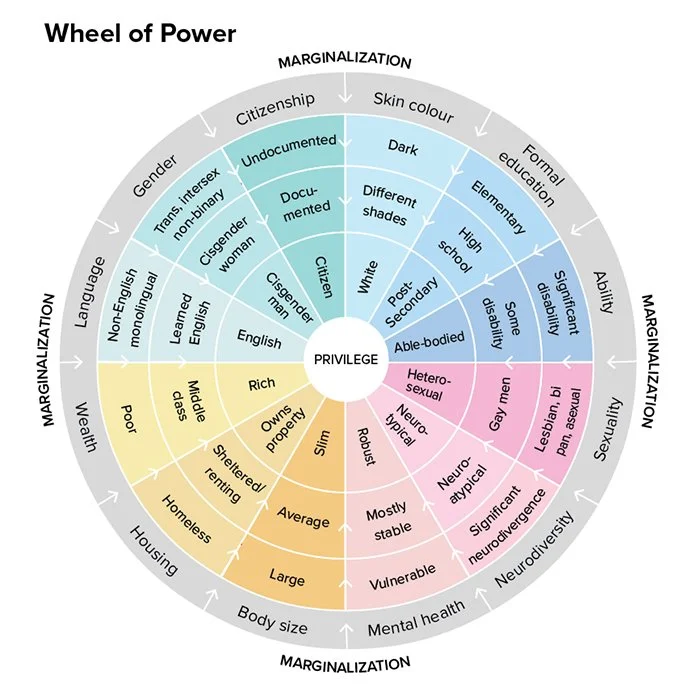
It invites men to examine how power has shaped their identity. It explores how privilege has functioned in their lives. It separates dignity from dominance. It asks whether equality diminishes them, or whether it challenges a narrow script of masculinity.
It also validates real pain. Economic instability is real. Class displacement is real. Loneliness is real. But scapegoating does not resolve these experiences. It intensifies them.
In practice, this work involves developing emotional awareness, tolerating vulnerability, and building relationships that are not based on control or hierarchy. It involves creating space for complexity rather than reducing it.
When masculinity becomes more flexible, it no longer depends on control over women, exclusion of immigrants, or rejection of queer identities. Strength becomes the capacity to remain present, to reflect, and to engage with difference.
Therapy is political in the sense that it confronts power. It asks who benefits from rigid gender roles. It questions inherited narratives. It supports men to build identities not rooted in fear of replacement.
Fragile masculinity thrives on threat. A more integrated masculinity can tolerate change.
If we want to reduce the pull of extremist movements, we need spaces where men can process loss, examine privilege without collapse, and develop forms of identity that do not require enemies.
That work is slow. It is relational. It is uncomfortable.
And it is necessary.
About the Author
I am a qualified psychosexual and relationship therapist, counsellor, and coach. My work is integrative and grounded in both clinical training and lived experience. I work with individuals and couples across a wide range of backgrounds, including therapists, trainees, and healthcare professionals.
I have a particular interest in masculinity, identity, sexuality, and the impact of social and cultural pressures on mental health and relationships. Coming from a working class background, I recognise how these dynamics are lived, not only studied. My approach is reflective, direct, and focused on creating a space where people can explore complexity without judgement.
Working Together at JKL Therapy Centre
At JKL Therapy Centre, I offer a confidential space for individuals and couples to explore relationship and sexual concerns, identity, and emotional wellbeing.
This includes:
Psychosexual therapy
Relationship and couples therapy
Support for therapists, trainees, and healthcare professionals
Work around masculinity, shame, intimacy, and identity
Support for neurodiverse clients and those navigating difference or marginalisation
Sessions are offered online, allowing privacy and flexibility. Reduced-fee options are available for students and trainees.
This is not a space to perform or to have answers ready. It is a space to think, reflect, and work through what may feel difficult to hold alone.
If any part of this article connects with your experience, you are welcome to reach out.